Exhibition Regula
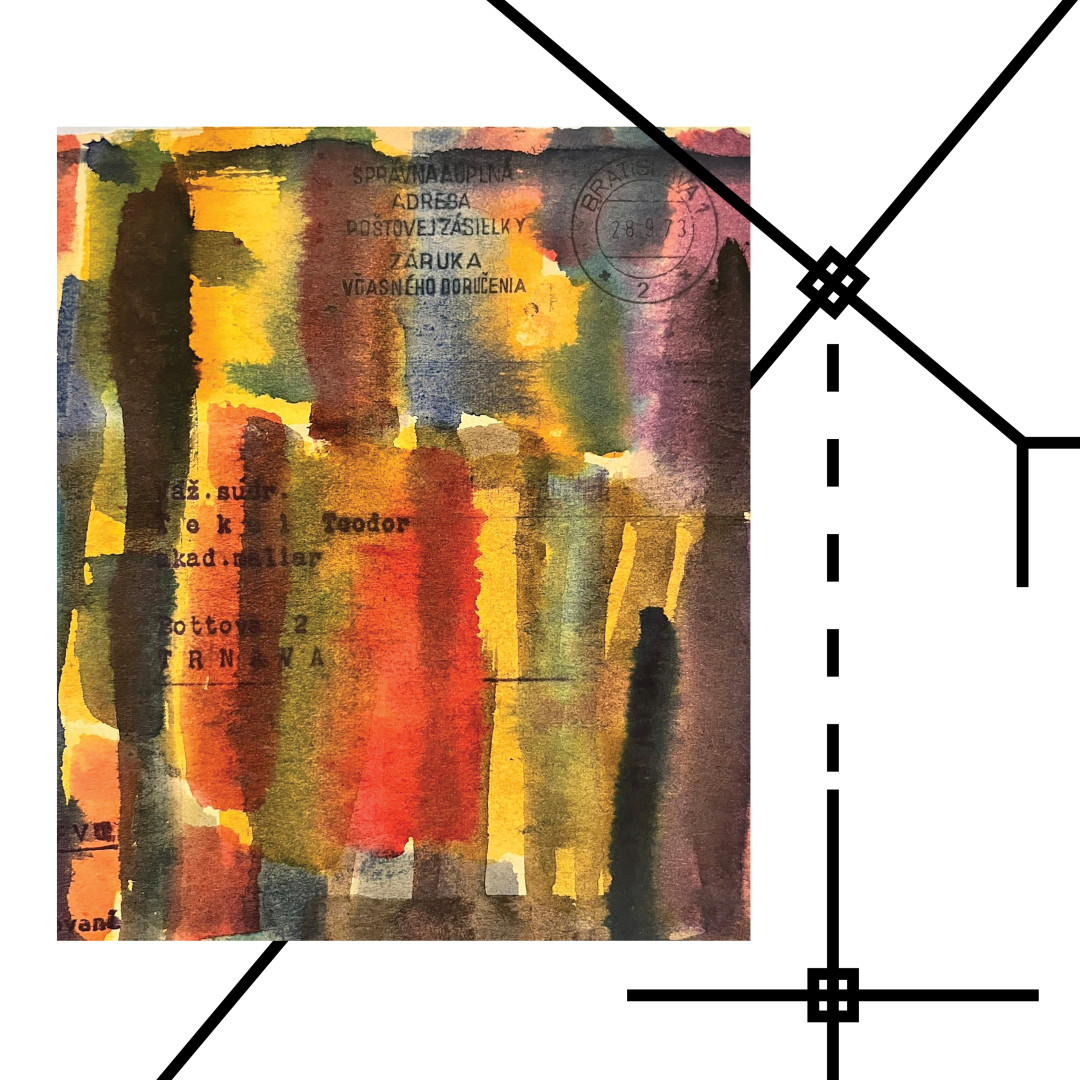
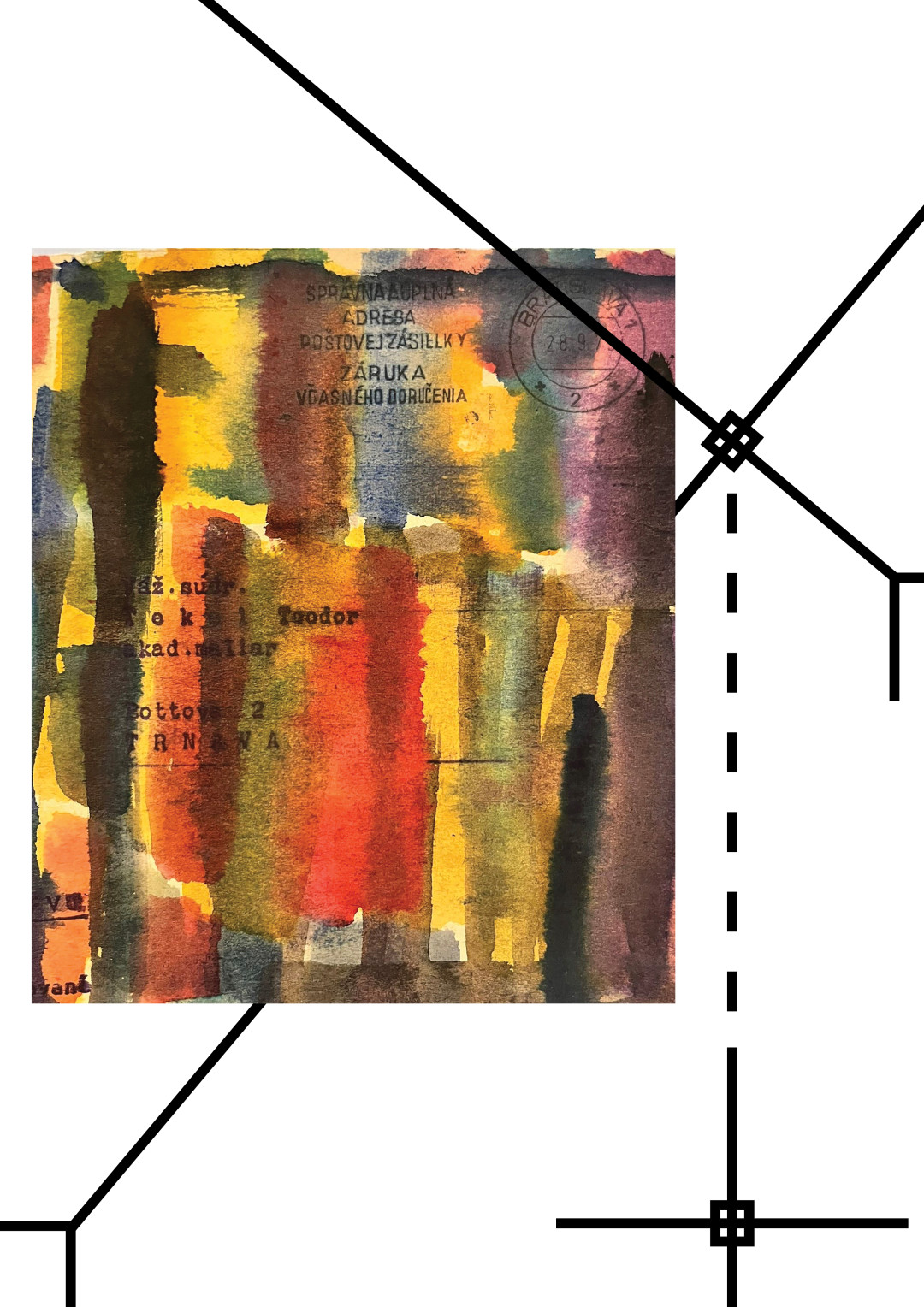
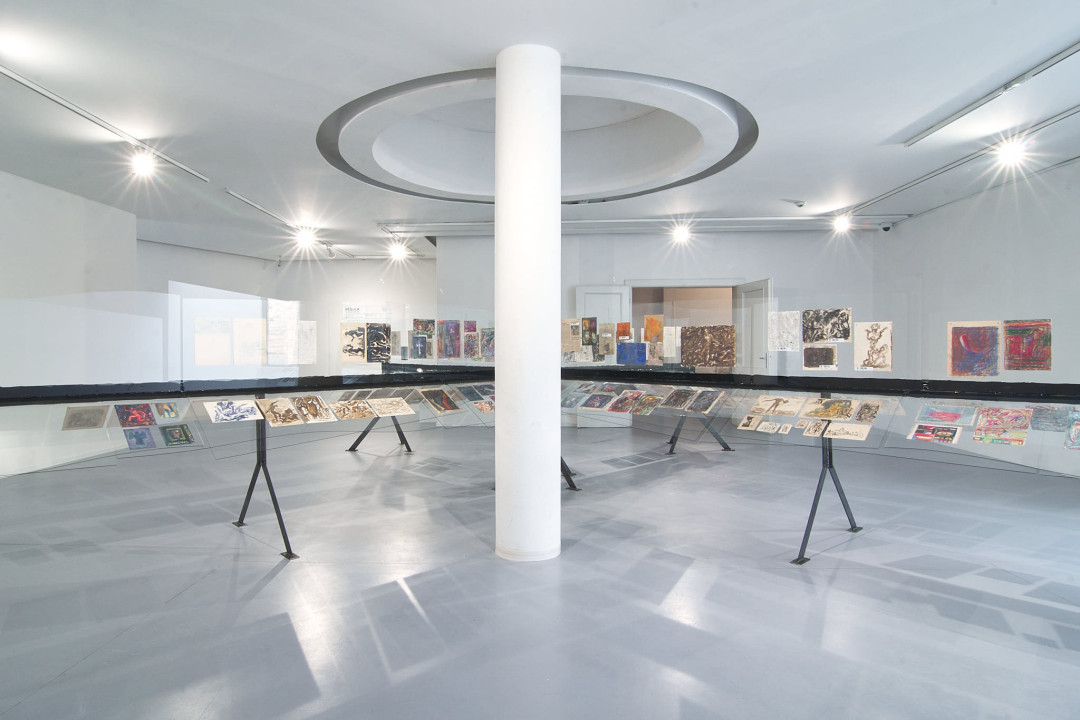
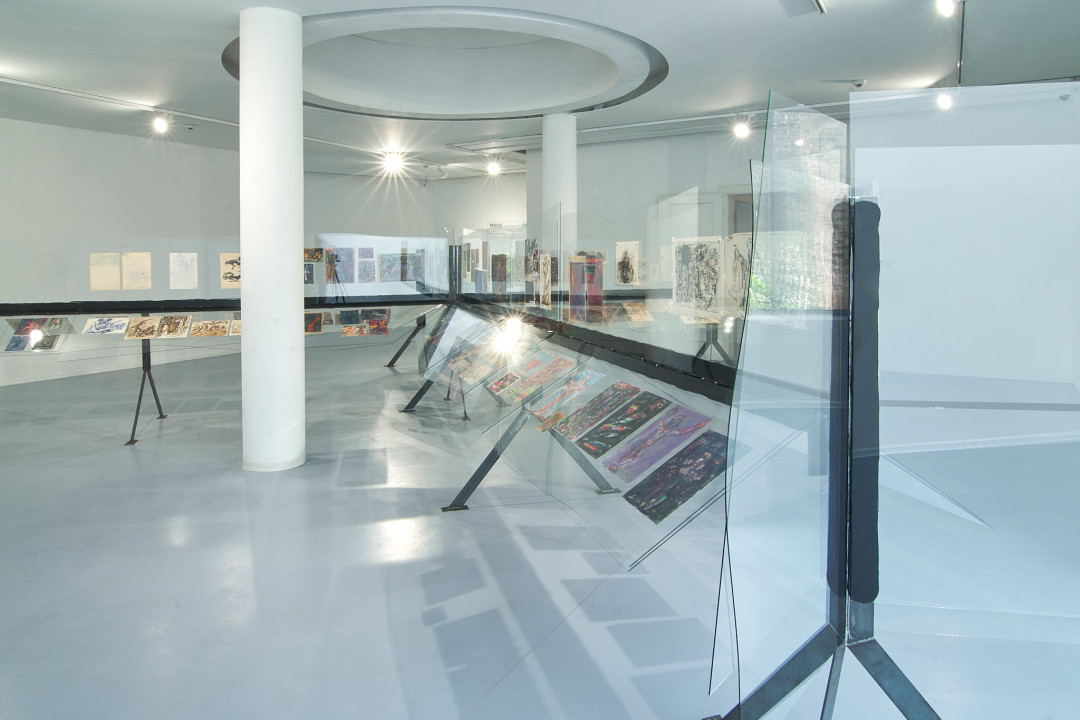
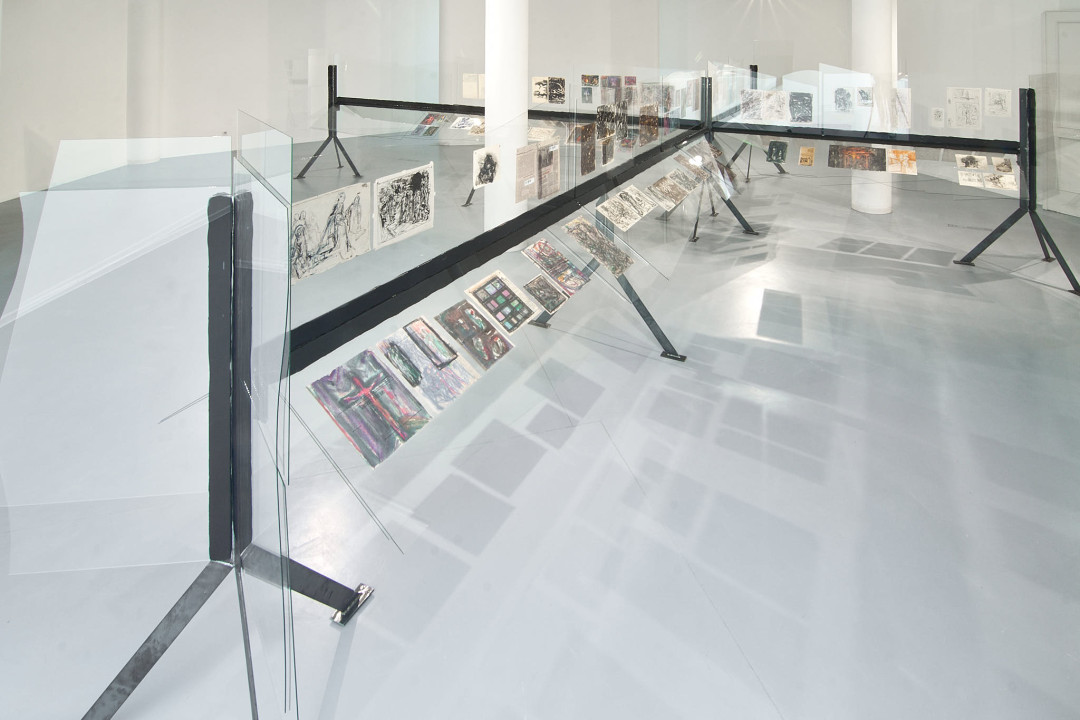
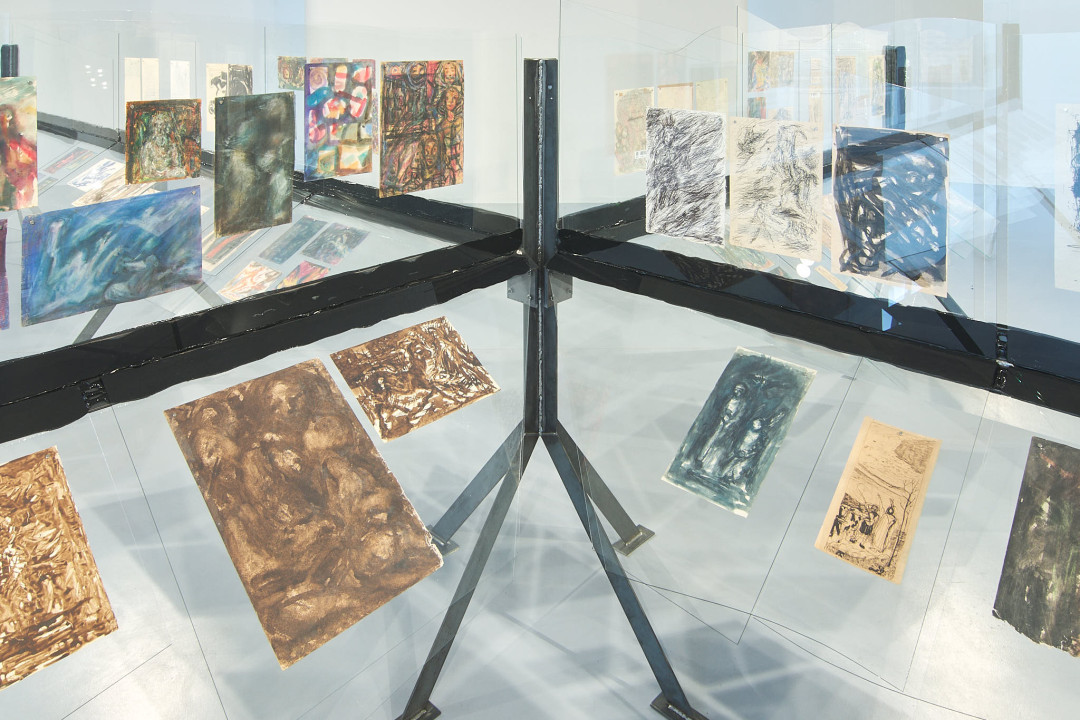
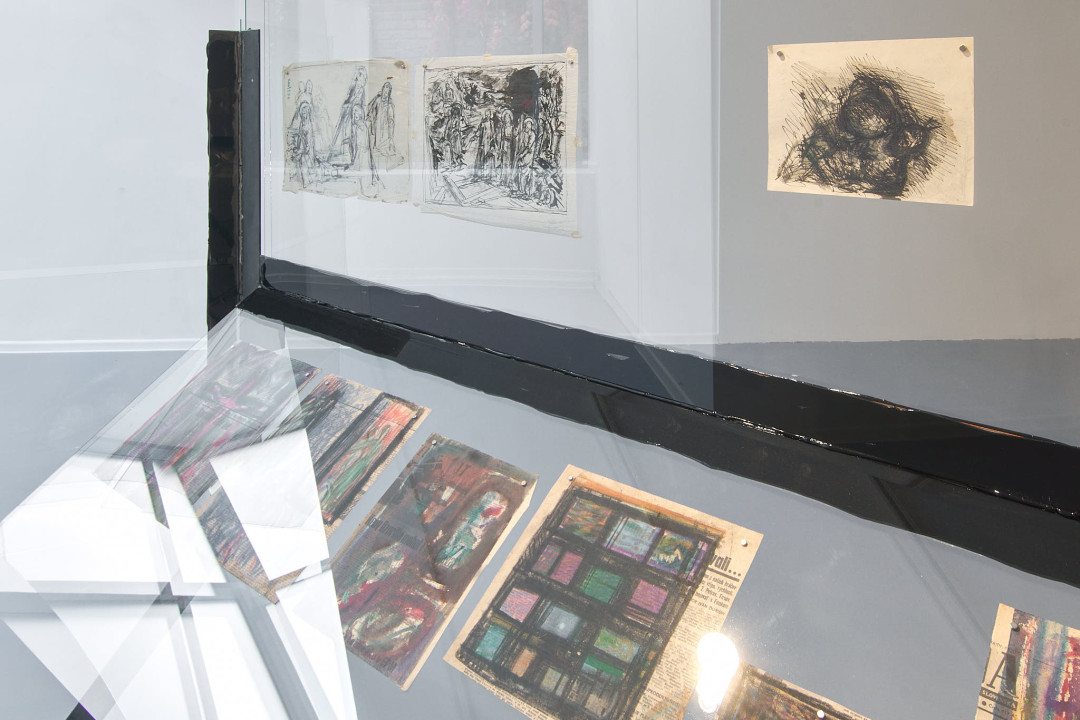
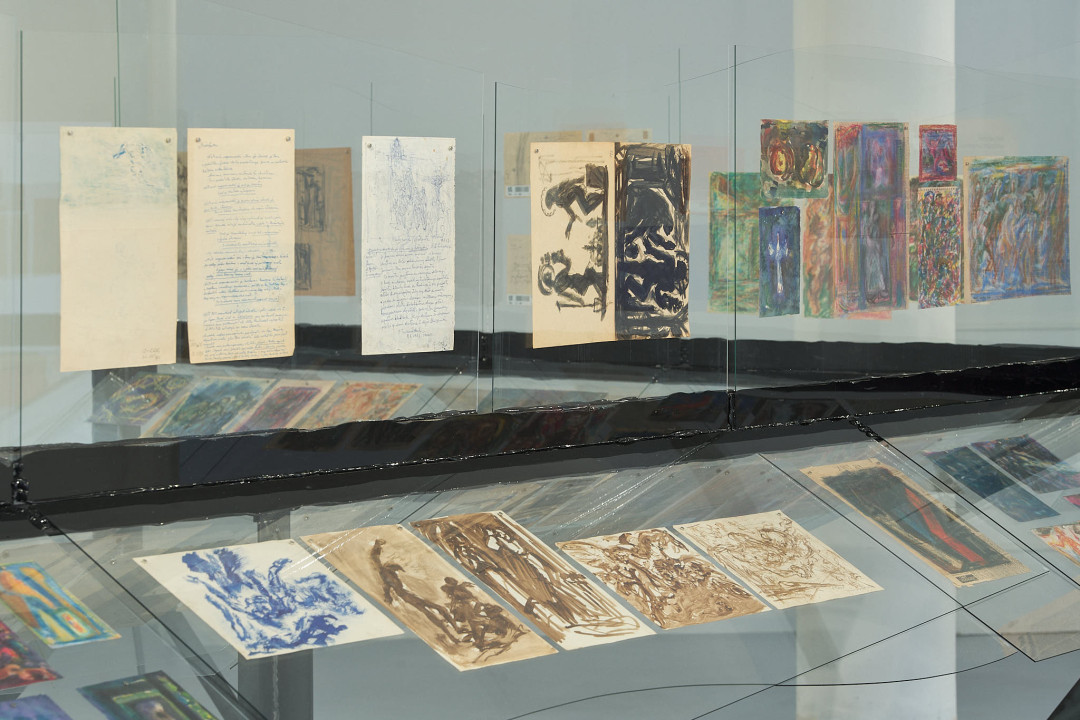
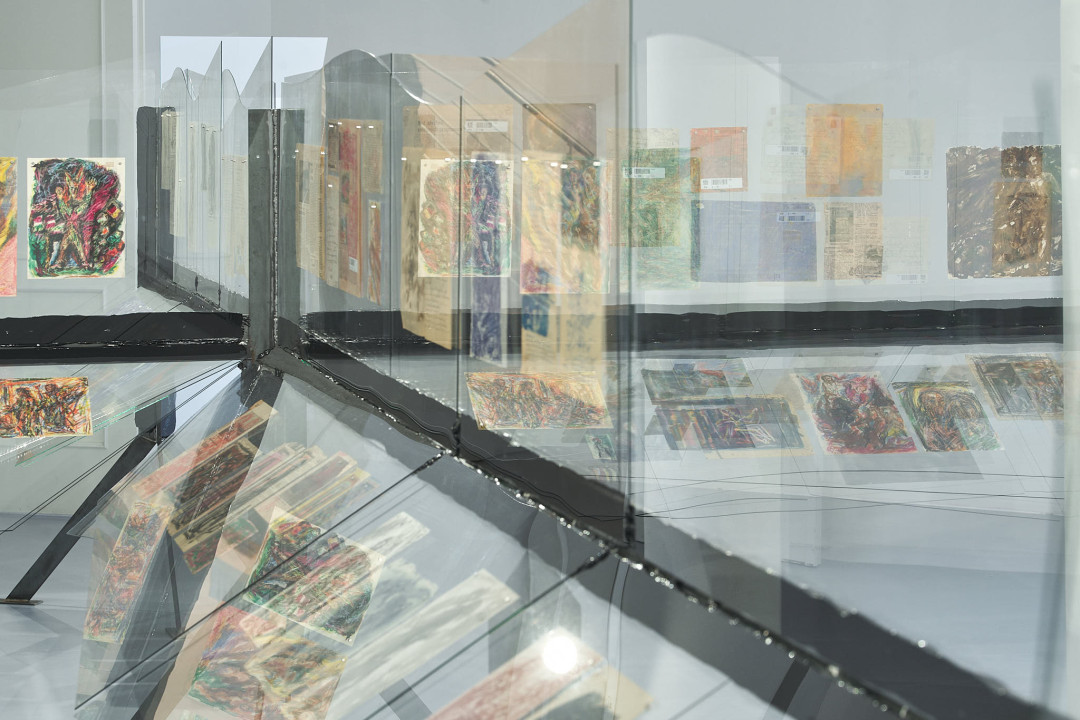
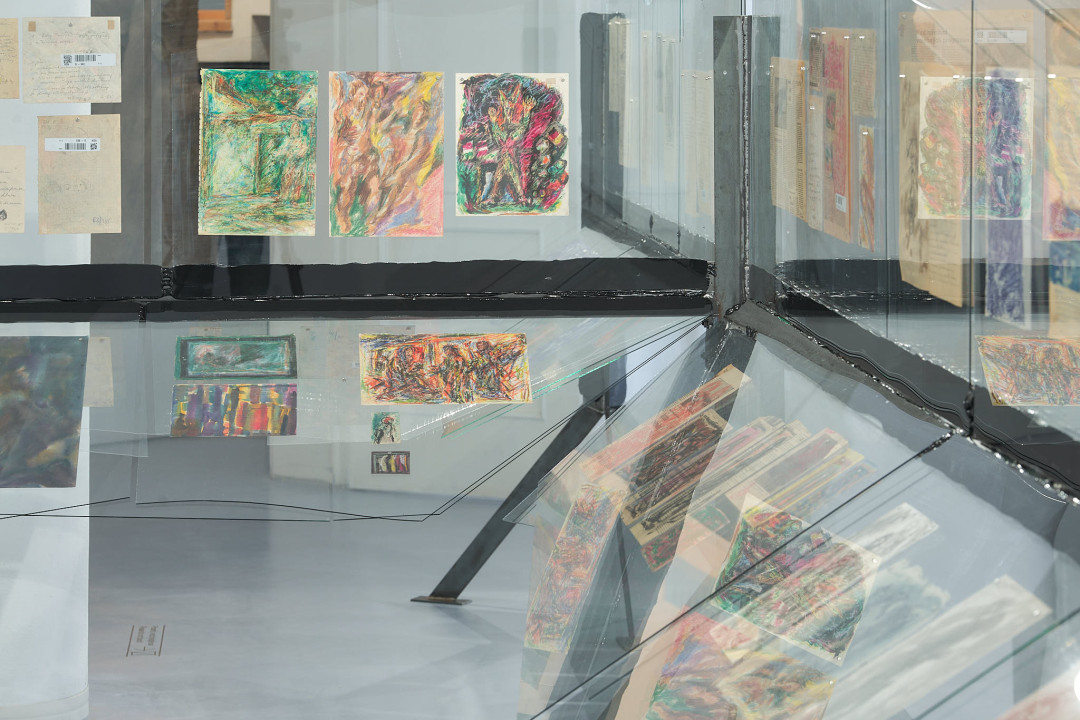
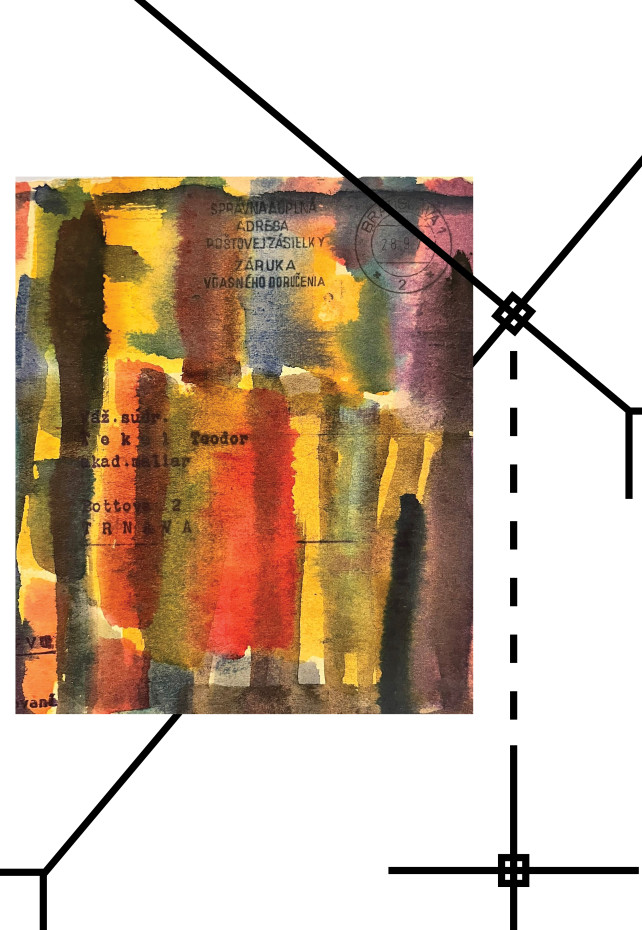
The exhibition Regula, organized on the occasion of the 50th anniversary of the death of the artist and Franciscan Teodor Jozef Tekel, offers an original interpretation of his work, prepared for the Koppel Villa extension of the Ján Koniarek Gallery by the artist Dalibor Bača. Bača’s contemporary object- and space-based installation becomes a visual reflection on perseverance, deep conviction, asceticism, and self-denial. It articulates the connections between the extraordinary scale and the intimate character of Tekel’s work.
The common denominator of these two, seemingly very different artists, is reduction and rigor, particularly toward themselves. Bača has long explored themes of renunciation, asceticism, and fasting—principles he also identifies in Tekel’s life. Persecuted by the communist regime, Tekel lived a life of material poverty, which he understood as central to the fulfillment of faith. When he was forbidden to engage in public artistic and spiritual activity, he devoted himself to these practices in solitude and secrecy, turning them into a form of obsessive therapy. In Bača’s installation, materials such as glass and iron serve as metaphors for the tension between fragility and resilience, as well as for discipline and conviction.
Teodor Jozef Tekel (1902 – 1975) was born in today’s Ľubotice, Prešov District. In 1917, he joined the Order of the Friars Minor – Franciscans, and a year later, in 1918, he took his first vows, adopting the religious name Teodor. He worked in monasteries in Hlohovec, Nitra, Bardejov, and Malacky. From 1930 to 1934, he studied at the Academy of Fine Arts in Prague under Prof. Max Švabinský. On 14 April 1950, during the so-called Barbarian Night, he was forcibly taken, along with hundreds of other monks and nuns, to internment camps in Hronský Beňadik and later in Beluša Slatiny. After his release, he settled in Trnava, where he lived until his death on 14 July 1975.
Dalibor Bača (1973) is a mid-career sculptor with a critical perspective on society and an interest in public space. He was a founding member of OZ Verejný podstavec and is known, for example, for his guerrilla-installed bust of Doc. JUDr. Robert Fico, CSc., placed in front of the now-demolished Istropolis – House of Trade Unions in Trnavské Mýto, Bratislava. In 2019, he received the WHITE CUBE Award from the Slovak Galleries Council for his project Definitively Unfinished at the New Synagogue in Žilina (2018). He is also the director of the Bohumil Bača Private School of Applied Arts.